
Inconsistent Surface Gloss
Uneven abrasive contact, unstable brush performance, or improper process parameters can lead to inconsistent gloss levels and visible surface marks on the finished product.
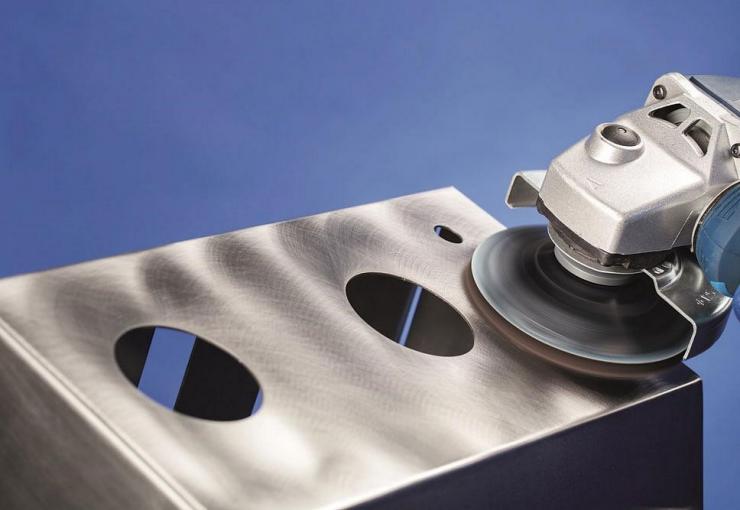
Uneven abrasive contact, unstable brush performance, or improper process parameters can lead to inconsistent gloss levels and visible surface marks on the finished product.
Continuous polishing at high speed may generate excessive heat, potentially causing discoloration, surface deformation, or damage to sensitive materials.
Curved surfaces, edges, grooves, and irregular shapes are difficult to polish evenly using conventional tools, often resulting in uneven finishing quality or unpolished areas.
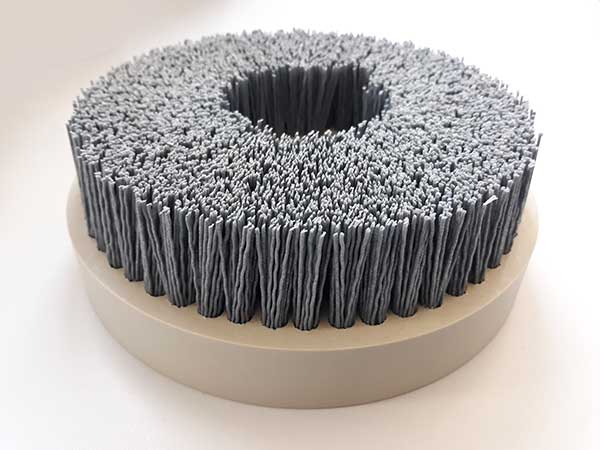
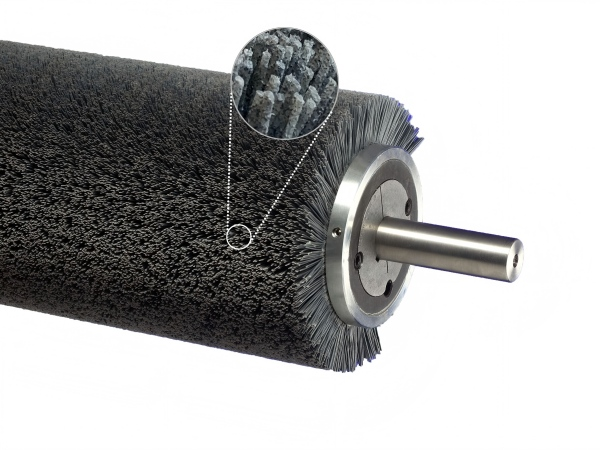
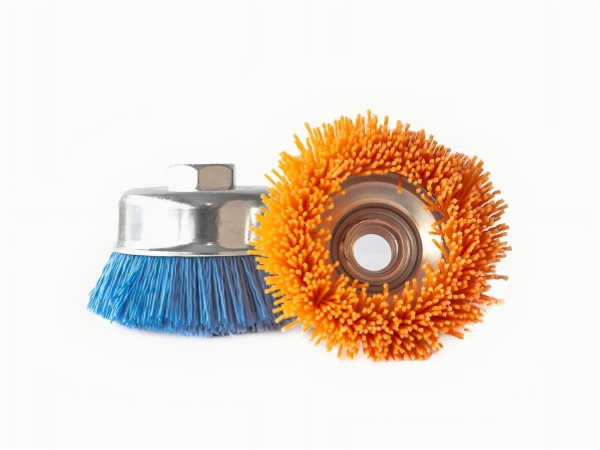


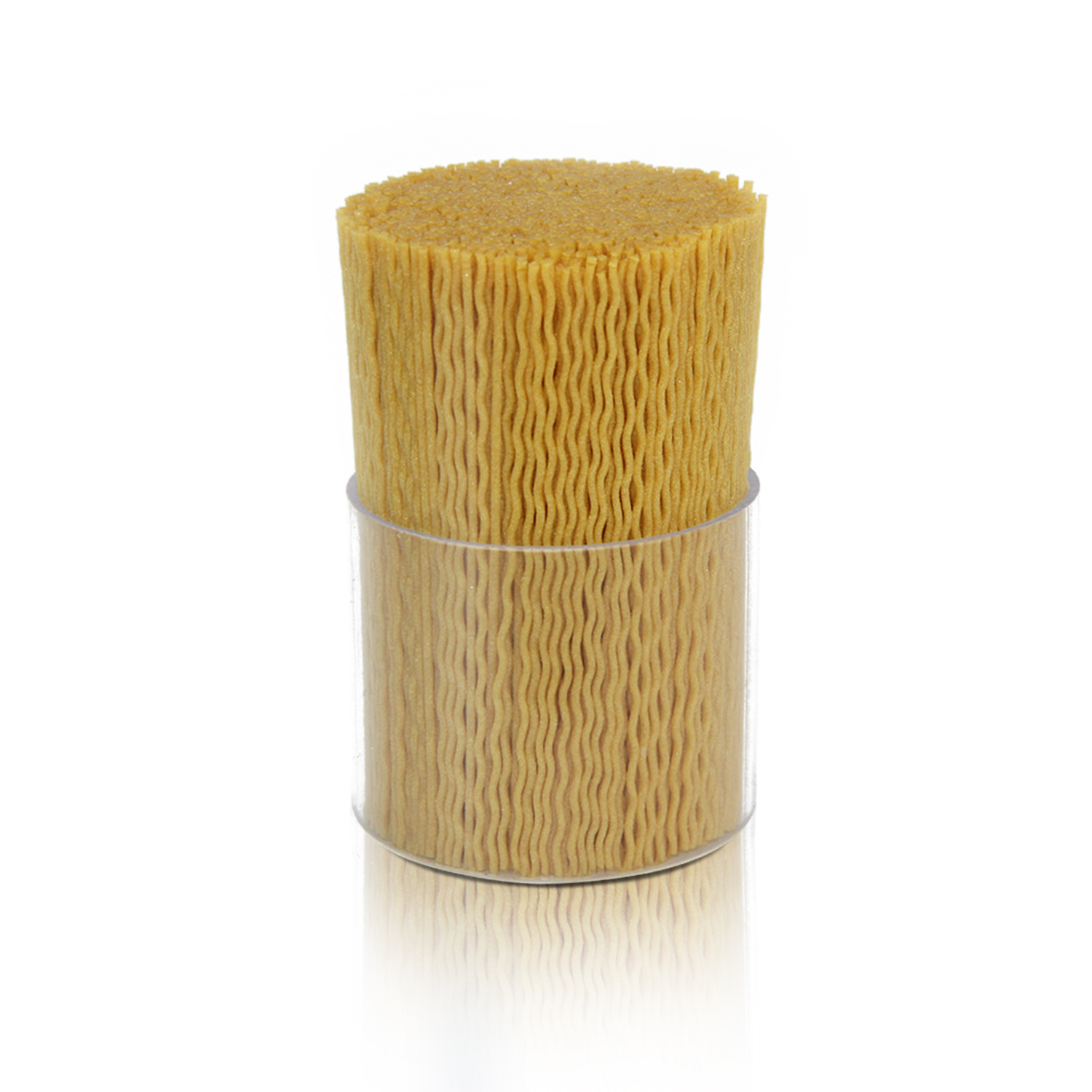
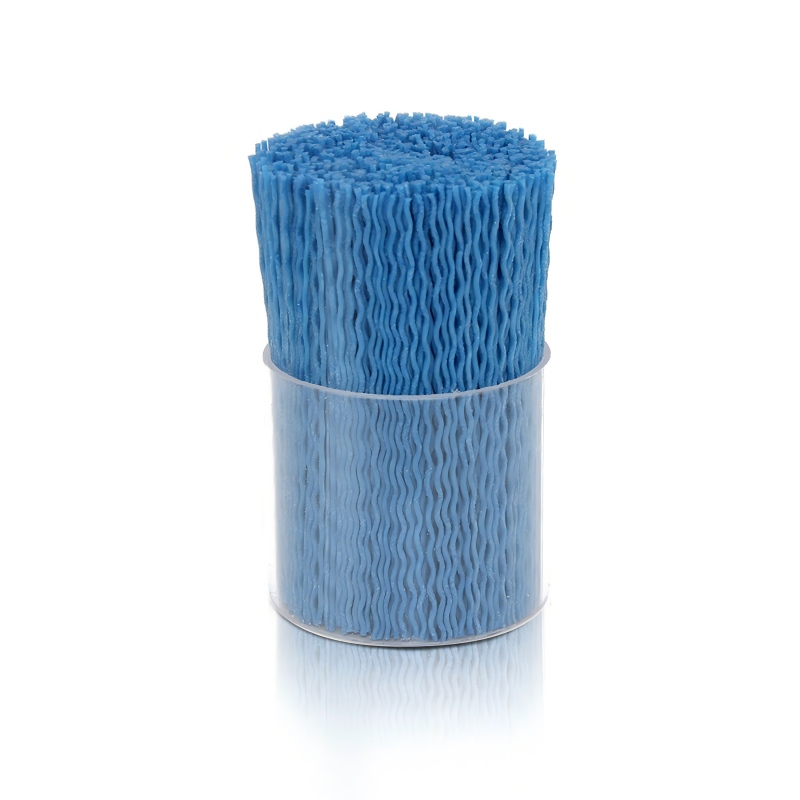
Abrasive filament brushes can polish a wide range of materials, including stainless steel, aluminum, brass, wood, plastic, stone, glass, ceramics, and composite materials.
Silicon carbide abrasive filament is commonly preferred for fine polishing applications because it provides sharp cutting action and produces smooth, uniform surface finishes.
Higher gloss finishes can be achieved by using finer grit sizes, proper brush pressure, suitable rotation speed, and multiple polishing stages when necessary.
Yes. Depending on the material and application requirements, abrasive filament brushes can be used in both dry and wet polishing processes to improve finishing quality and reduce heat generation.
Surface discoloration is usually caused by excessive heat generated from high speed, excessive pressure, or insufficient cooling during the polishing process.
Yes. Disc brushes, roller brushes, and other abrasive brush types are widely used in CNC machines and automated production systems for efficient and consistent polishing operations.



We can provide abrasive filament samples in suitable specifications according to your requirements for project testing and evaluation.
Contact us now to get a sample.
Request SampleOur technicians can recommend the most suitable abrasive filament diameter, grit size, loading based on your brush design and application.
Contact Technical Team