
Achieving Uniform Sueding Effect
Textile sueding requires extremely consistent brushing performance to ensure even fiber raising and a uniform suede-like texture across the entire fabric surface.
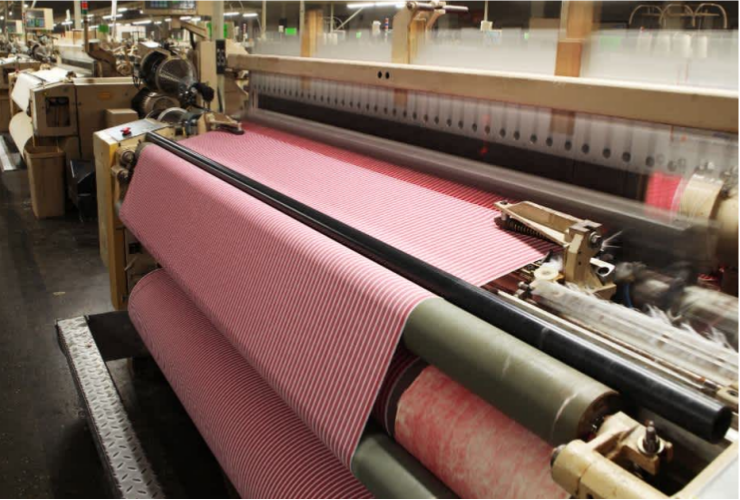
Textile sueding requires extremely consistent brushing performance to ensure even fiber raising and a uniform suede-like texture across the entire fabric surface.
Excessive abrasive force or unstable filament performance may damage delicate fabrics, causing scratches, broken fibers, or uneven surface appearance.
Modern textile finishing lines operate at high speeds, requiring abrasive brushes with excellent wear resistance, flexibility, and dimensional stability to ensure long-term consistent performance and reduced downtime.
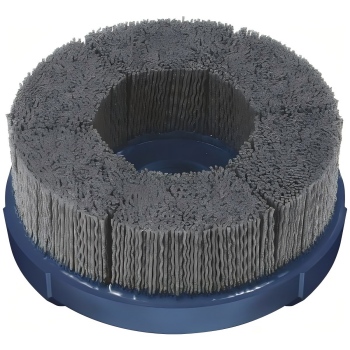
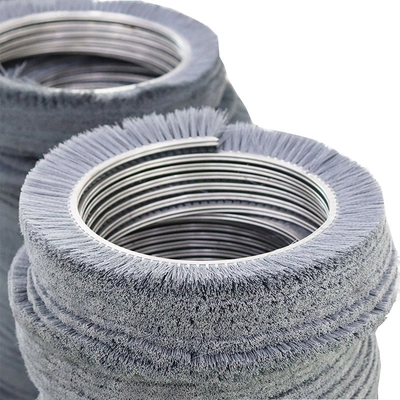
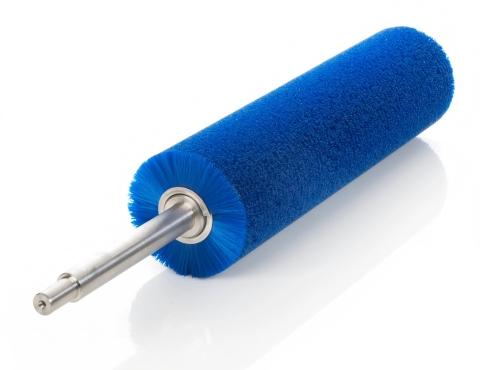

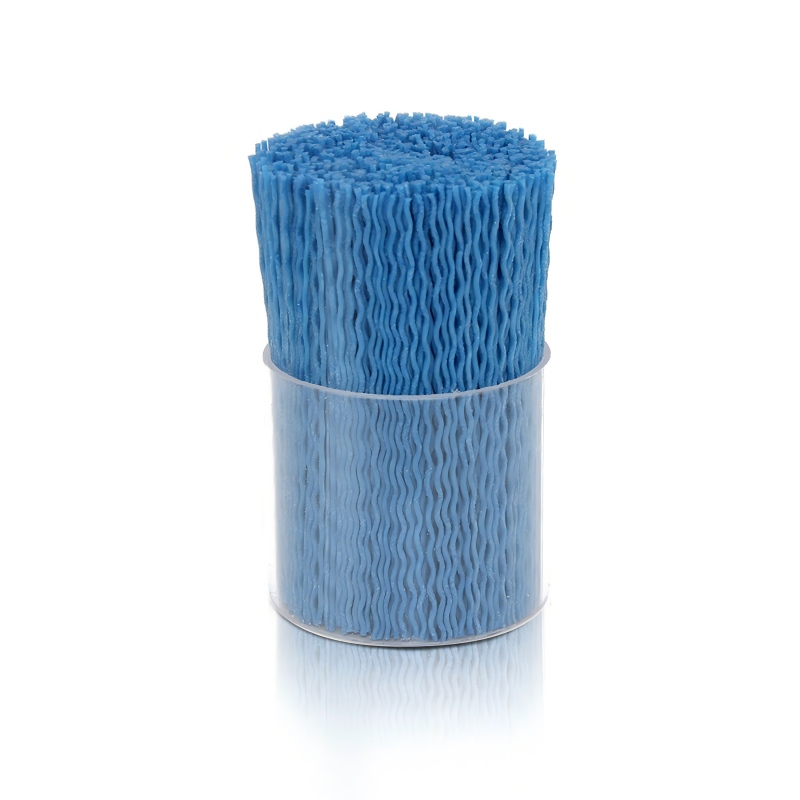
Textile sueding brushes are used to create soft, suede-like fabric surfaces by gently raising fine fibers on the textile surface. They are widely used in fabric finishing processes for improving softness, texture, and appearance.
Silicon carbide abrasive nylon filament is the most commonly used material for textile sueding due to its stable cutting performance and consistent fabric finishing effect. Ceramic abrasive filament is also used for high-end textile finishing applications.
Roller brushes are the most widely used brush type in textile sueding production lines. Spiral roller brushes are also commonly used for more uniform surface treatment and smoother fabric finishing effects.
Yes. SleekEven provides customized abrasive brush solutions based on your machine specifications, filament material, grit size, brush dimensions, and fabric processing requirements.
Common grit sizes for textile sueding applications include 320#, 500#, 600#, and 800#. Higher grit sizes are generally used for finer and softer fabric finishing effects.
Abrasive sueding brushes are widely used for polyester fabrics, microfiber textiles, denim, cotton fabrics, blended fabrics, and other textile surface finishing applications requiring soft-touch and suede-like effects.





We can provide abrasive filament samples in suitable specifications according to your requirements for project testing and evaluation.
Contact us now to get a sample.
Request SampleOur technicians can recommend the most suitable abrasive filament diameter, grit size, loading based on your brush design and application.
Contact Technical Team